Bitumen
Bitumen is a sticky, black, highly viscous liquid or semi-solid petroleum. It is available in various forms like rock asphalt, natural bitumen, tar, and petroleum bitumen. People often mistake bitumen with coal tar, which is produced using oil shale, wood or other organic material. Bitumen and coal tar are two completely different products, and one should not confuse one with the other.
Bitumen is a low-grade crude oil composed of complex heavy hydrocarbons, typically obtained as the Vacuum Bottom residue in the distillation tower of a refinery.
Bitumen Packing Types
Flexitank
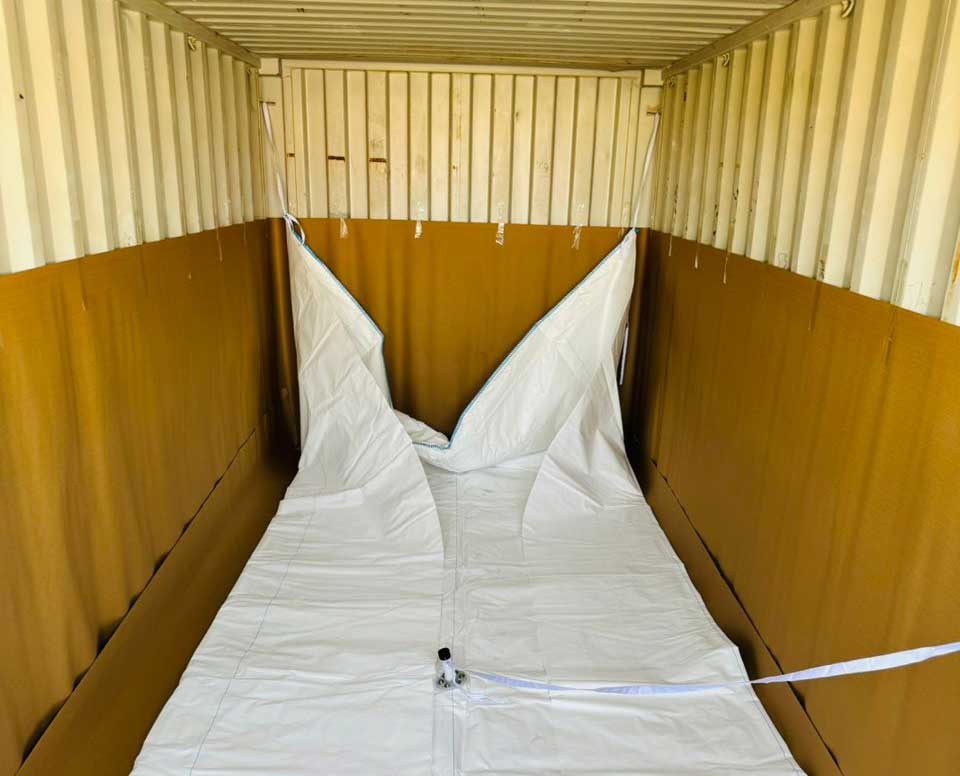
Flexitank is a type of bitumen and liquid petrochemical packing. It is suitable for non-corrosive and non-hazardous liquid products. Being cost-effective and eco-friendly have made this packing popular in different industries. Contrary to steel drums and IBC, it contains more bitumen. Flexitank is a kind of single and multi-layer thick bag. Based on the number of valves, it can be categorized into different types including single valve and two valves.
Bitumen Flexitank Weight
Flexitanks have a capacity of 14000 to 24000 liters that can be placed in a 20 ft. container. However, to carry bitumen by a flexitank, each flexi can hold 20 tons of bitumen per 20-foot container.
The important tip is that flexitank cannot be used in 40-foot containers because flexi must be protected on all four sides with the body of the container.
Bitumen Flexitank Material
The standard flexitanks are made of polyethylene and polypropylene. The Flexitank is able to tolerate hot liquids, which are filled with more than 120 degrees into it.
This packing is durable. It shows good resistance to the pressure that the liquid puts on the internal layer of the flexitank.
This flexitank material ensures that the body is not damaged when the molten bitumen is loaded, the flexi is easily filled with bitumen, and there is no problem for flexi when removing the bitumen.
Jumbo
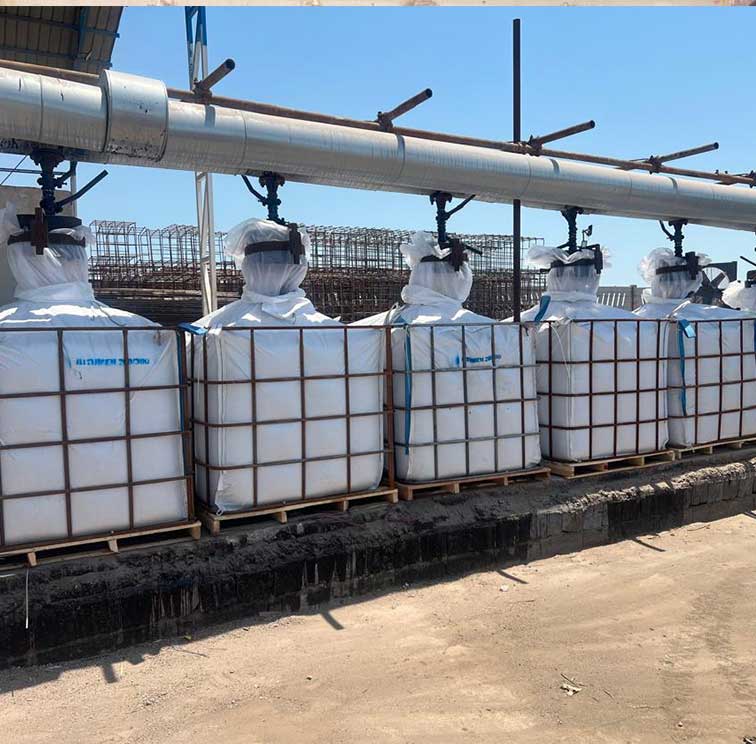
Jumbo bag is a large flexible multi-layer bag that is used to transport the bulk materials like bitumen. This type of poly-alkene bags with the highest quality and resistance is the cheapest, easiest and least wasted bitumen packing. Jumbo bag can be called by other names such as bitu- plast, bitu- bag, poly cube, poly bag, but most of the time it is known by the name jumbo bag. To know more about the advantages, applications and specifications of this kind of packing which is the most popular among others, follow this article.
The Advantages of Jumbo Bags
One of the highly recommended types of bitumen packing is jumbo bag. This big bags are suitable for storing and transporting bulk bitumen. Some advantages that make it specific are as below:
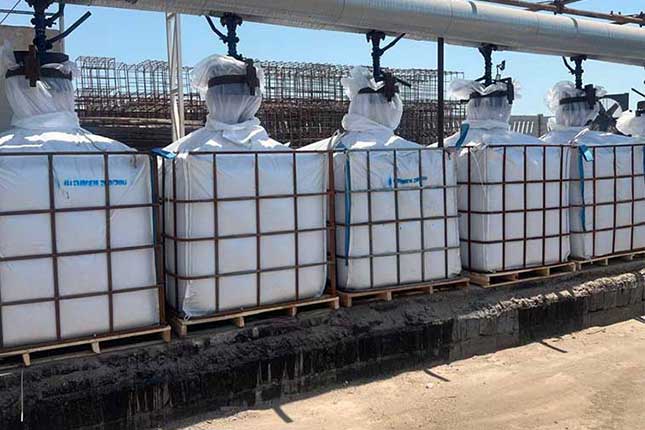
- Cost effective bitumen packing in comparison to drums Low weight
- It is environmental – friendly that has no harm upon ecosystems
- Safety and ease of loading
- It occupies a little space
- The inner lining is 100% consumable, and the outer lining is recyclable
- It protects the bitumen from moisture
- Ease of movement by forklift and crane truck
- It has a unique design that enables quick filling and discharge of bitumen
The Cost of Jumbo Bag
Among all of the packing type, such as, drum, bulk and jumbo bag, the jumbo bag can be the most affordable. The cost of bulk shipment is expensive, it has high operating costs and freights vary with demand. It may pollute the containers, but jumbo bags and drums do not pollute the container. Although new steel drums are preferred to bulk trade, they are still more expensive comparing to jumbo bags.
Drum
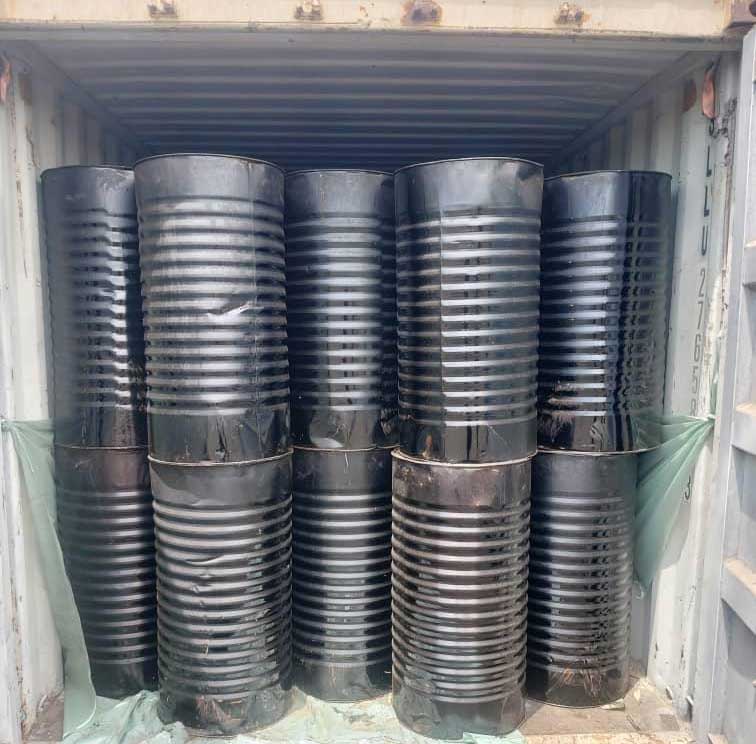
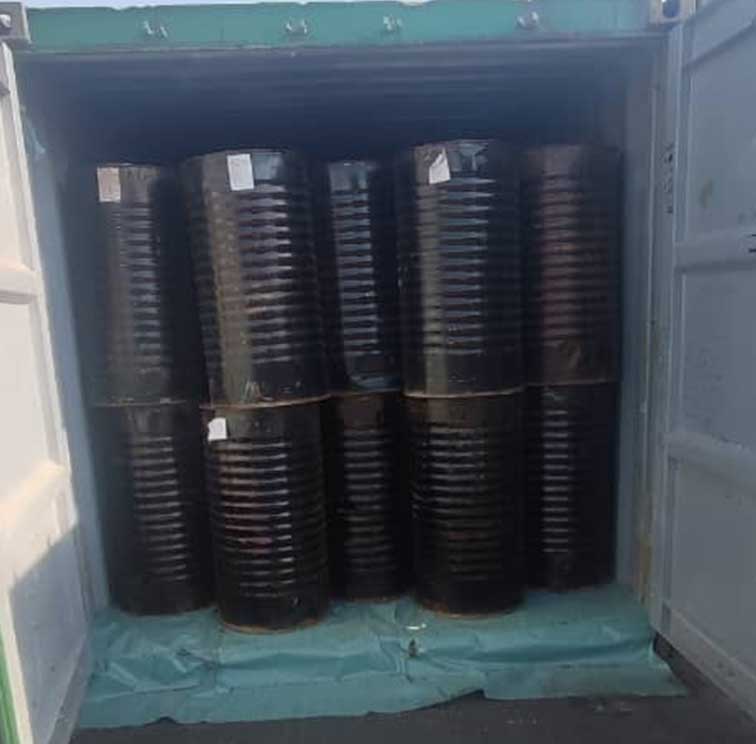
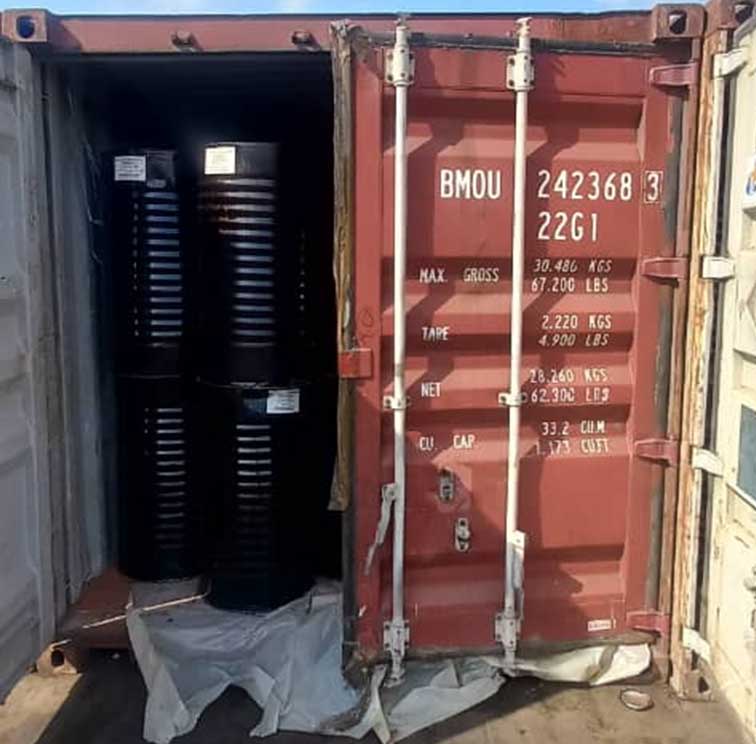
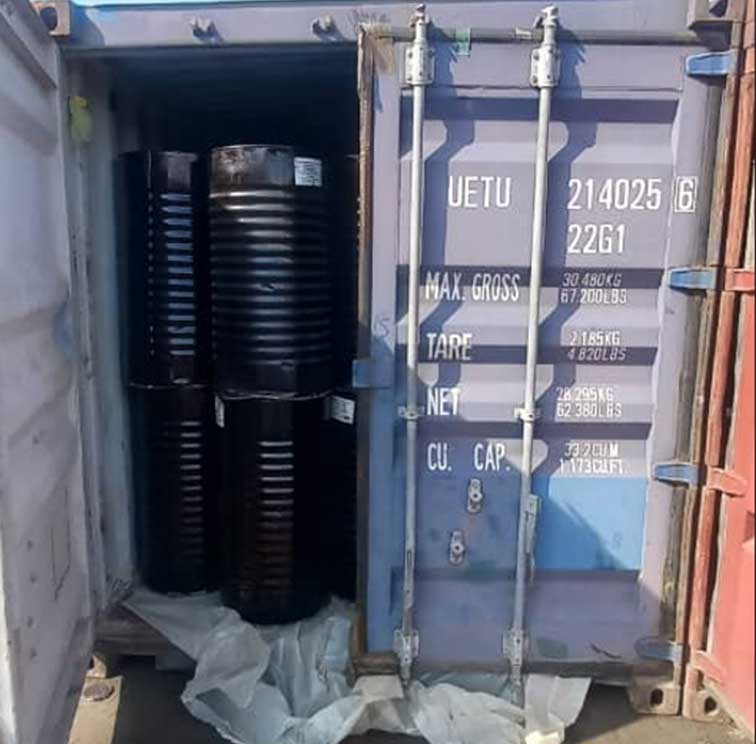
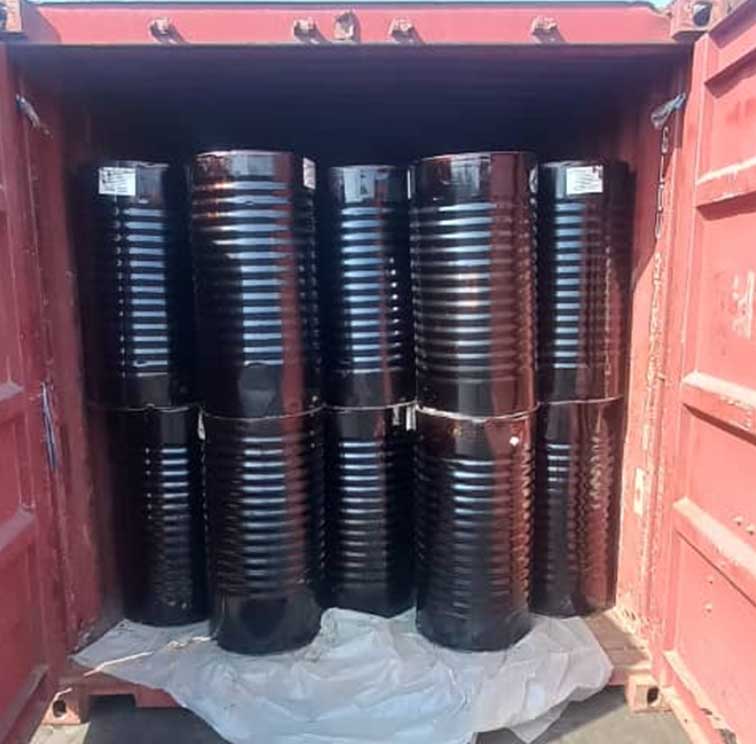
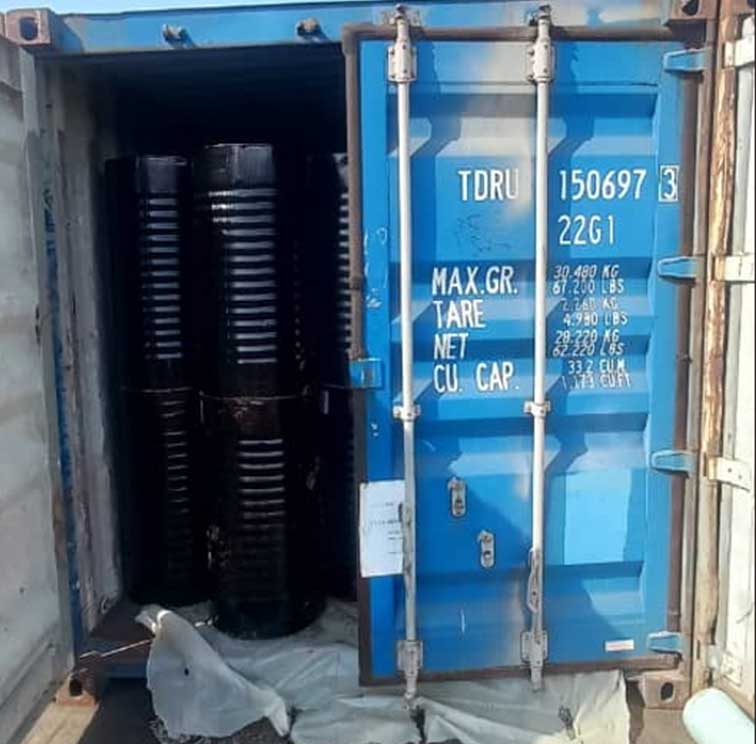
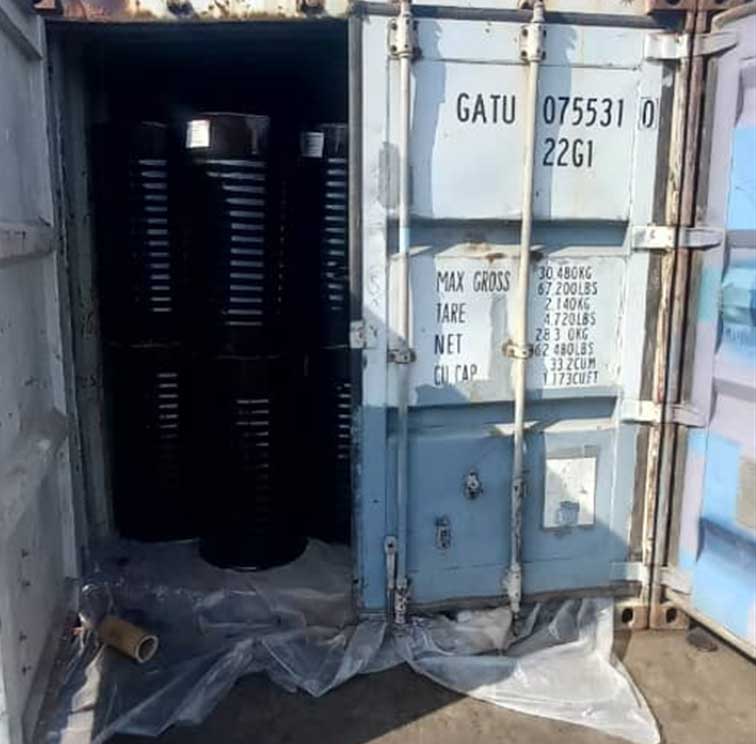
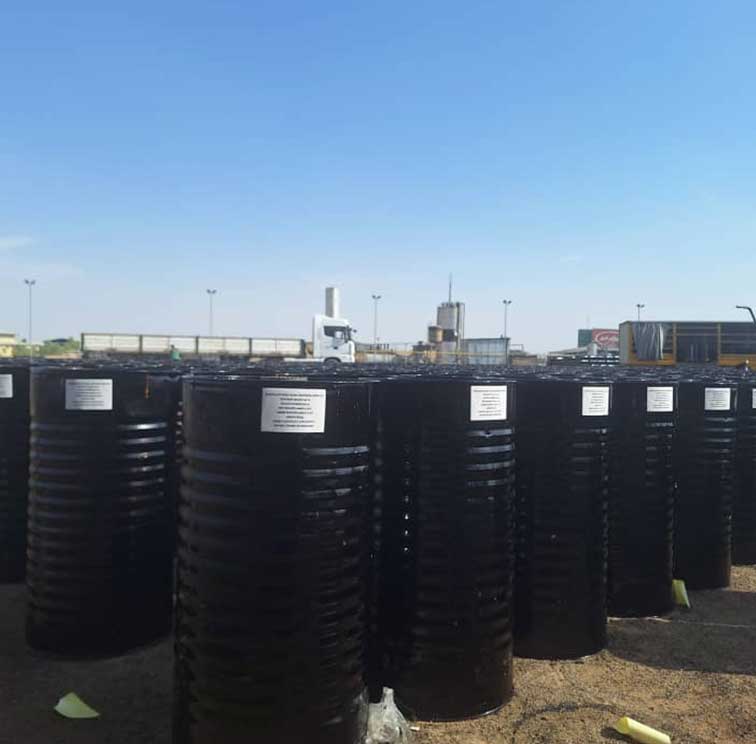
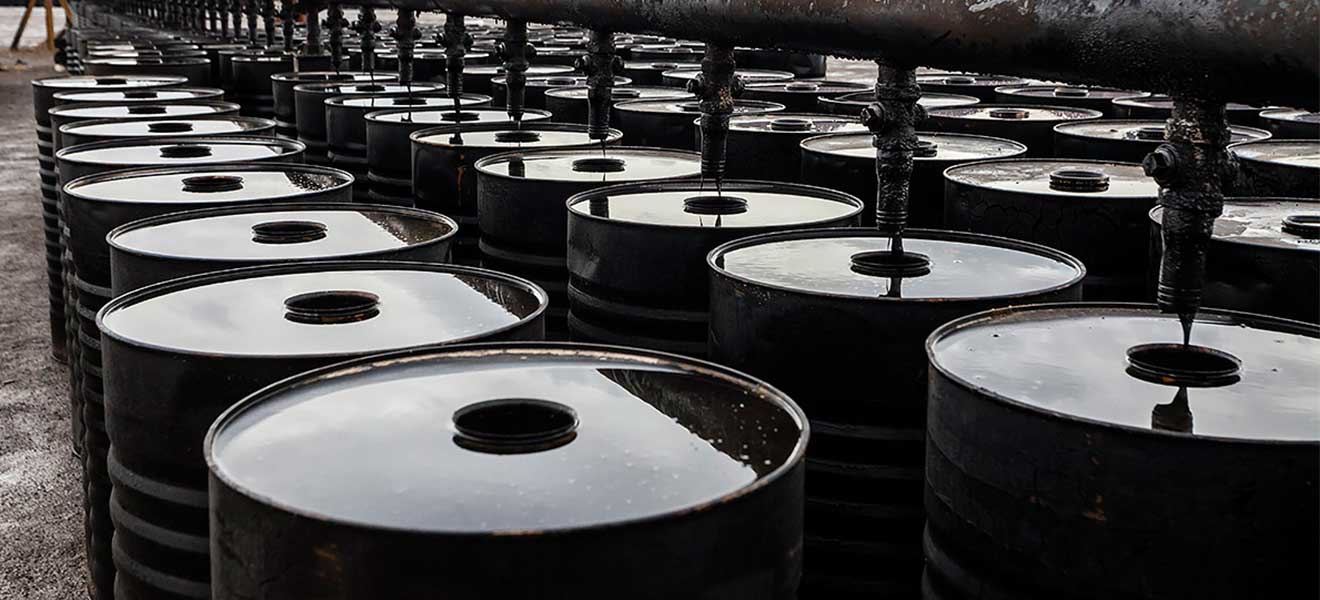
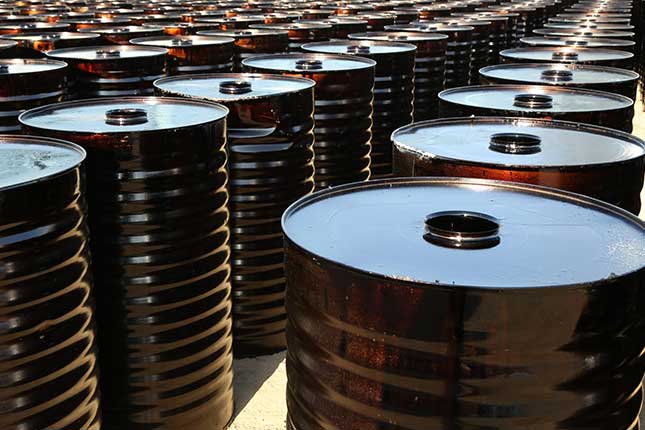
New steel drum is the most common bitumen packaging due to its safety and consistent quality. Generally, new steel drum of bitumen varies dependent on different factors like bitumen volume, height, thickness and lid.
Advantages of Drum
- They don’t effect on bitumen quality both physically and chemically
- Proportional size and dimension
- It causes protection and safety of bitumen against UV rays of the sun
- They are easily placed in containers
- Suitable and safe for transporting flammable materials
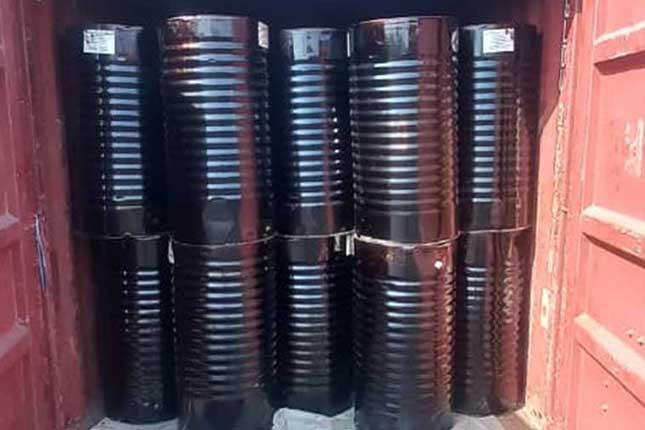
Disadvantages of Drum
- Used drums can leak
- New drums, if mishandled may break as well, and damaged drums that do not break will become difficult to decant
- They are easily placed in containers
- Generally, 3 -5% of bitumen is always left in the drum and is wasted
Bitumen Drum Specifications
180 KG New Steel Drum Specifications |
|
| Item | Value |
|---|---|
| Packing in | 180 ± 3 kg |
| Sheet grade | ST-12 |
| Height of Drum | 98 cm |
| Diameter of Drum | 50 ± 0.2 cm |
| Diameter of Lid | 10 ± 0.2 cm |
| Plate thickness(body) | 0.6 mm |
| Plate thickness(top & Bottom) | 0.6 mm |
| Drum Weight | 9.3 ± 0.2 kg |
150 KG New Steel Drum Specifications |
|
| Item | Value |
|---|---|
| Packing in | 150 ± 3 kg |
| Sheet grade | ST-12 |
| Height of Drum | 83 cm |
| Diameter of Drum | 50 ± 0.2 cm |
| Diameter of Lid | 10 ± 0.2 cm |
| Plate thickness(body) | 0.6 mm |
| Plate thickness(top & Bottom) | 0.6 mm |
| Drum Weight | 8.3 ± 0.2 kg |
Bitumen Grades
Bitumen Penetration Grade
Bitumen Penetration 35/50
Bitumen Penetration Grade 35/50 Specifications |
||||
| Specification | Test Method | Unit | Min. | Max. |
|---|---|---|---|---|
| Specific Gravity at 25 °C | ASTM D70 | - | 1.01 | 1.06 |
| Penetration at 25 °C, 100g, 5s | ASTM D5 | 0.1mm | 35 | 50 |
| Softening Point | ASTM D36 | °C | 52 | 60 |
| Ductility at 25 °C | ASTM D113 | cm | 100 | - |
| Loss on Heating | ASTM D6 | wt.% | - | 0.2 |
| Drop in Penetration after Heating | ASTM D5 | % | - | 20 |
| Flash Point | ASTM D92 | °C | 250 | - |
| Solubility in Trichloroethylene | ASTM D2042 | wt.% | 99 | - |
| Spot Test | AASHTO T102 | Negative | ||
Bitumen Penetration 40/50
Bitumen Penetration Grade 40/50 Specifications |
||||
| Specification | Test Method | Unit | Min. | Max. |
|---|---|---|---|---|
| Specific Gravity at 25 °C | ASTM D70 | - | 1.01 | 1.06 |
| Penetration at 25 °C, 100g, 5s | ASTM D5 | 0.1mm | 40 | 50 |
| Softening Point | ASTM D36 | °C | 52 | 60 |
| Ductility at 25 °C | ASTM D113 | cm | 100 | - |
| Loss on Heating | ASTM D6 | wt.% | - | 0.2 |
| Drop in Penetration after Heating | ASTM D5 | % | - | 20 |
| Flash Point | ASTM D92 | °C | 250 | - |
| Solubility in Trichloroethylene | ASTM D2042 | wt.% | 99 | - |
| Spot Test | AASHTO T102 | Negative | ||
Bitumen Penetration 50/70
Bitumen Penetration Grade 50/70 Specifications |
||||
| Specification | Test Method | Unit | Min. | Max. |
|---|---|---|---|---|
| Specific Gravity at 25 °C | EN 15326 | - | 1.01 | 1.06 |
| Penetration at 25 °C, 100g, 5s | EN 1426 | 0.1mm | 50 | 70 |
| Softening Point | EN 1427 | °C | 46 | - |
| Ductility at 25 °C | EN 13589 | cm | 100 | - |
| Loss on Heating | EN 12607 | wt.% | - | 0.2 |
| Flash Point | EN 2592 | °C | 230 | - |
| Solubility in Toluene or Xylene | EN 12592 | wt.% | 99 | - |
| Spot Test | AASHTO T102 | Negative | ||
Bitumen Penetration 60/70
Bitumen Penetration Grade 60/70 Specifications |
||||
| Specification | Test Method | Unit | Min. | Max. |
|---|---|---|---|---|
| Specific Gravity at 25 °C | ASTM D70 | - | 1.01 | 1.06 |
| Penetration at 25 °C, 100g, 5s | ASTM D5 | 0.1mm | 60 | 70 |
| Softening Point | ASTM D36 | °C | 46 | - |
| Ductility at 25 °C | ASTM D113 | cm | 100 | - |
| Loss on Heating | ASTM D6 | wt.% | - | 0.2 |
| Drop in Penetration after Heating | ASTM D5 | % | - | 20 |
| Flash Point | ASTM D92 | °C | 250 | - |
| Solubility in Trichloroethylene | ASTM D2042 | wt.% | 99 | - |
| Spot Test | AASHTO T102 | Negative | ||
Bitumen Penetration 70/100
Bitumen Penetration Grade 70/100 Specifications |
||||
| Specification | Test Method | Unit | Min. | Max. |
|---|---|---|---|---|
| Specific Gravity at 25 °C | EN 15326 | - | 1.01 | 1.06 |
| Penetration at 25 °C, 100g, 5s | EN 1426 | 0.1mm | 70 | 100 |
| Softening Point | EN 1427 | °C | 42 | - |
| Ductility at 25 °C | EN 13589 | cm | 100 | - |
| Loss on Heating | EN 12607 | wt.% | - | 0.5 |
| Flash Point | EN 2592 | °C | 230 | - |
| Solubility in Toluene or Xylene | EN 12592 | wt.% | 99 | - |
| Spot Test | AASHTO T102 | Negative | ||
Bitumen Penetration 80/100
Bitumen Penetration Grade 80/100 Specifications |
||||
| Specification | Test Method | Unit | Min. | Max. |
|---|---|---|---|---|
| Specific Gravity at 25 °C | ASTM D70 | - | 1.01 | 1.06 |
| Penetration at 25 °C, 100g, 5s | ASTM D5 | 0.1mm | 80 | 100 |
| Softening Point | ASTM D36 | °C | 42 | - |
| Ductility at 25 °C | ASTM D113 | cm | 100 | - |
| Loss on Heating | ASTM D6 | wt.% | - | 0.5 |
| Flash Point | ASTM D92 | °C | 230 | - |
| Solubility in Trichloroethylene | ASTM D2042 | wt.% | 99 | - |
| Spot Test | AASHTO T102 | Negative | ||
Bitumen Penetration 100/120
Bitumen Penetration Grade 100/120 Specifications |
||||
| Specification | Test Method | Unit | Min. | Max. |
|---|---|---|---|---|
| Specific Gravity at 25 °C | ASTM D70 | - | 1.01 | 1.04 |
| Penetration at 25 °C, 100g, 5s | ASTM D5 | 0.1mm | 100 | 120 |
| Softening Point | ASTM D36 | °C | 42 | 49 |
| Ductility at 25 °C | ASTM D113 | cm | 100 | - |
| Loss on Heating | ASTM D6 | wt.% | - | 0.2 |
| Flash Point | ASTM D92 | °C | - | 250 |
| Solubility in Trichloroethylene | ASTM D2042 | wt.% | - | 99.5 |
| Spot Test | AASHTO T102 | Negative | ||
Bitumen Penetration 200/300
Bitumen Penetration Grade 200/300 Specifications |
||||
| Specification | Test Method | Unit | Min. | Max. |
|---|---|---|---|---|
| Specific Gravity at 25 °C | ASTM D70 | - | 1.01 | 1.06 |
| Penetration at 25 °C | ASTM D5 | 0.1mm | 200 | 300 |
| Softening Point | ASTM D36 | °C | 35 | 43 |
| Ductility at 25 °C | ASTM D113 | cm | 100 | - |
| Flash Point | ASTM D92 | °C | 230 | - |
| Solubility in Trichloroethylene | ASTM D2042 | wt.% | 99 | - |
| After Thin Film Oven Test (TFOT) | ||||
| Penetration | ASTM D2872 | - | 46 | |
| Change of Mass | ASTM D2872 | wt.% | - | 0.8 |
| Softening Point | ASTM D2872 | - | 11 | |
Bitumen Viscosity Grade
| Test | Viscosity | |||
|---|---|---|---|---|
| VG-10 | VG-20 | VG-30 | VG-40 | |
| Dynamic viscosity @60°c (poise) | 1000±200 | 2000±400 | 3000±600 | 4000±800 |
| Kinematic Viscosity @135°c(Min, Cst ) | 250 | 300 | 350 | 400 |
| Penetration ,25°c,100g 5s,min | 80 | 60 | 45 | 35 |
| Flash Point °C | 220 | 220 | 220 | 22 |
| Softening point °C | 40 | 45 | 47 | 50 |
| Solubility in trichloroethylene (min %) | 99 | 99 | 99 | 99 |
| Test on residue from thin film oven test | - | - | - | - |
| Ductility ,25°c,5cm/min/cm | 75 | 50 | 40 | 25 |
| Viscosity ratio @60°C Max | 4 | 4 | 4 | 4 |
C170 & C320 Bitumen
Class 170 Bitumen
Bitumen C170 (Australian Grade) is a premium viscosity-grade bitumen widely used in road construction and asphalt applications across Australia.
C170 has superior durability and resistance to deformation, making it ideal for high-traffic roads and heavy-duty pavements. Its medium viscosity ensures optimal workability during laying, while its high-temperature stability enhances longevity in Australia’s diverse climate.
Whether for highways, industrial pavements, or airport runways, Bitumen C170 has reliable performance, meeting strict Australian bitumen specifications.
Bitumen C170 (Australian Grade) is a premium viscosity-grade bitumen widely used in road construction and asphalt applications across Australia.
Class 170 (C170) Specifications
Australian Standard Bitumen C170 Specifications |
||||
| Specification | Test Method | Unit | Min. | Max. |
|---|---|---|---|---|
| Specific Gravity 25 °C | ASTM D70 | - | 1.01 | 1.06 |
| Penetration at 25 °C | ASTM D5 | 0.1mm | 62 | - |
| Viscosity at 60°C | ASTM D2171 | Pa.s | 140 | 200 |
| Viscosity at 135°C | ASTM D2171 | Pa.s | 0.25 | 0.45 |
| Flash Point (COC) | ASTM D92 | °C | 250 | - |
| Matter Insoluble in Trichloroethylene | ASTM D2042 | wt.% | - | 1 |
| After Rolling Thin Film Oven Test (RTFO) | ||||
| Viscosity of Residue at 60°C | ASTM D2171 | % of original | - | 300 |
Class 320 (C320) Specifications
Australian Standard Bitumen C320 Specifications |
||||
| Specification | Test Method | Unit | Min. | Max. |
|---|---|---|---|---|
| Specific Gravity 25 °C | ASTM D70 | - | 1.01 | 1.06 |
| Penetration at 25 °C | ASTM D5 | 0.1mm | 40 | - |
| Viscosity at 60°C | ASTM D2171 | Pa.s | 260 | 380 |
| Viscosity at 135°C | ASTM D2171 | Pa.s | 0.40 | 0.65 |
| Flash Point (COC) | ASTM D92 | °C | 250 | - |
| Matter Insoluble in Trichloroethylene | ASTM D2042 | wt.% | - | 1 |
| After Rolling Thin Film Oven Test (RTFO) | ||||
| Viscosity of Residue at 60°C | ASTM D2171 | % of original | - | 300 |
We also provide all grades of premium-quality bitumen, tailored to meet diverse construction needs.
Trust us for consistent quality and reliable supply.
Gallery